
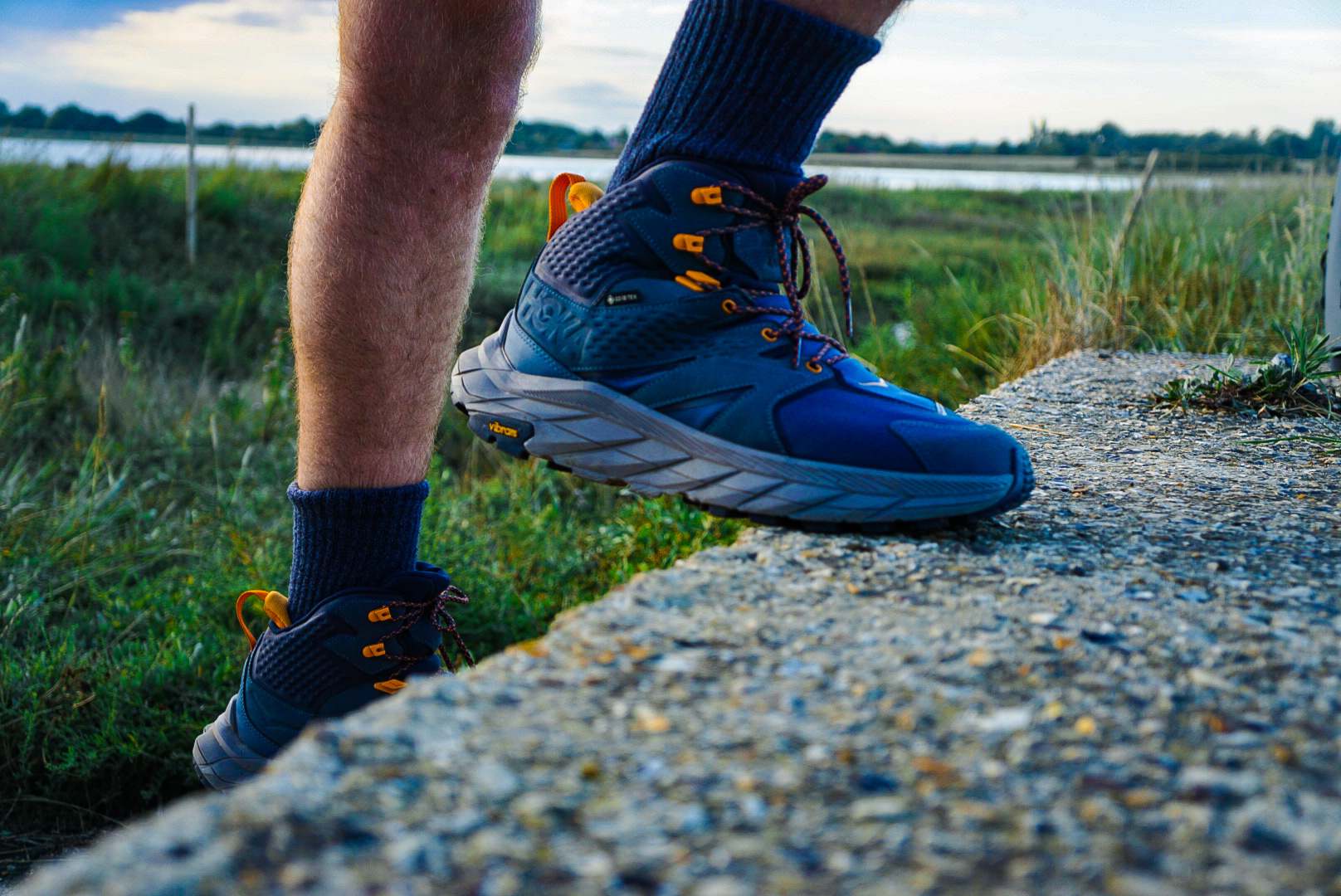
Finding the ideal pair of walking boots is tough. For many people, buying a new set of hiking boots represents a significant investment and – ahem – a step in a new direction. You might, of course, be buying your second, third or even fourth pair of boots, but even to the well-seasoned walkers among us, there are some things to consider before putting money on the table.
Here, we’re going to check out some of the things to bear in mind before you start lacing up those brand-new boots for the first time.
Where am I going to be wearing them?

Like so many other things in life, having the right tools for the job makes things a lot easier. So considering where you’ll be using your walking boots predominately can make sure that your next pair are a good fit for the conditions.
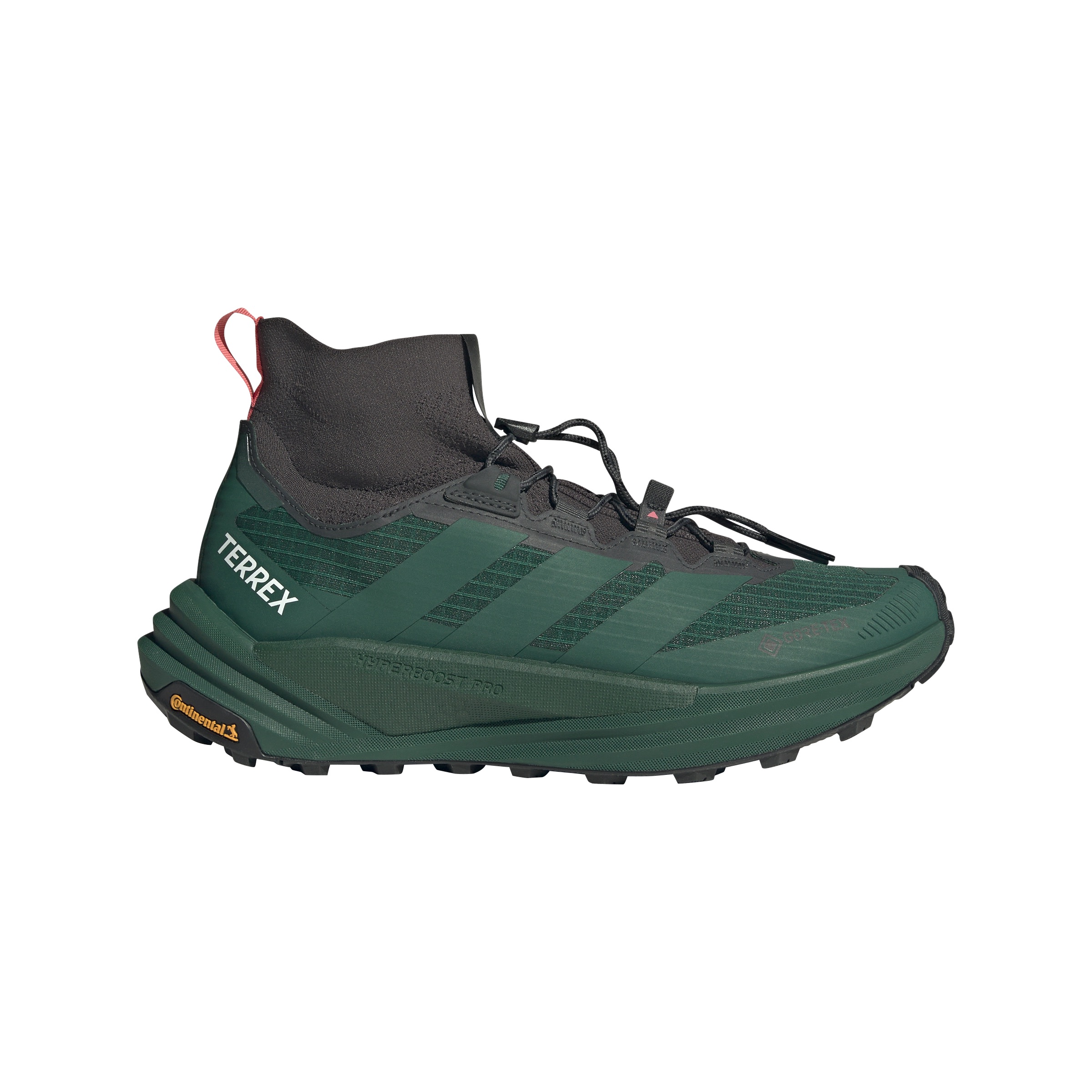
If you want an all-rounder boot, for example, which can be used over softer terrain just as easily as during dog walks, then you might want to check out a boot that has a little bit of flex to it. There’s a great variety in this area, too, from lightweight models like the Adidas Free Hiker 2s that we’ve looked at to more ‘traditional’ offerings from firms like Lowa and Danner.
However, if you’re planning on taking some more serious hikes – such as steeper hill climbs and descents – then we’d advise a stiffer setup. The right walking boots designed for these areas don’t flex as much in order to provide a more stable platform, while the materials they use are slightly more robust so that they can put up with more demanding conditions and surfaces.
What kind of weather do I like to walk in?
Of course, we’d probably all quite like to be hiking in balmy conditions, but it is worth thinking about the type of weather you’re walking in for most of the time. If you live in the highlands of Scotland, for instance, then you might be coming across more snow than someone on the south coast of England. Most shoemakers create models designed for different climates, so having a pair more suited to certain conditions could pay dividends later on.
Likewise, if you like to head abroad to warmer areas then you might want to consider a lighter boot that does away with more heavyweight waterproofing, which can often leave to damp, sweaty feet when things get hot outside.
Do I want to be able to resole them?
Everyone likes to recycle. It’s part of looking after the world around us, after all. And being able to resole your boots effectively means you’re not going to have to buy another set once yours run out. Plus, it’s quite nice being able to keep ‘your’ set of boots going for longer.
It’s not all that commonplace in the new boot market, however. But if you look hard enough, some bootmakers are making models that can be fitted with new soles when the old ones run out.
Fit is everything

You can have a set of walking boots which look the business, but if they don’t fit correctly then it’s just not worth it. After all, you’re going to be spending many miles with these shoes on your feet, so having them fit correctly is a top priority? But how do you go about making sure your new set of walking boots fit properly?
You’ve got to start with trying them on. A local stockist is the best place to begin as they’ll have a wide variety of sizes – and many walking boots come in half sizes too if you’re struggling. Put them on and, before lacing them up, stand out and see how they feel. If they’re not quite right at this stage, then they won’t be improved by lacing them up.
Once you feel happy at that stage, push your toes to the end of the boots without scrunching them up. Bend your leg forward without trying to lift the heel of the boot off the ground. You can then put a finger down the inside of the boot. If they’re spot-on, there should be just enough room for your finger to get down the heel. If you can’t, then the boots are definitely too small. If there is too much room, however, they’re too big and you’ll need to try a larger size.
Now you can lace them up. There’s a good chance that they’ll feel a little ‘alien’ at this point, but walk around the store with them fully laced up to see how they feel. Try moving onto the balls of your feet and check to see where the shoes bend in comparison.
It’s probably a good idea to test out a couple of different pairs – from different producers – to compare and contrast. You shouldn’t really buy the very first pair of boots you try on. Make sure you give some others a go as some might feel more natural than others.
Once you’ve purchased and found the right walking boots for you, try wearing them indoors for a little while before heading out in the open world. This also gives you an opportunity to feel out any issues you might have with a pair of boots. Don’t be afraid to return them to the shop, either – they’re an investment, after all, so you need them to be right.
Look after your boots and they’ll look after you
Once you’ve got the right walking boots, you’re going to want to look after them properly. It’s a good idea to give them clean after every walk, particularly if it’s been raining hard or you’ve been stomping through mud. Warm water and a stiff brush is still an ideal way to do this and it also gives you an opportunity to see if there has been any damage made to the boots themselves.
If your boots get really wet, then stuff them with newspaper to make sure that all of the excess moisture is absorbed. Don’t be tempted to put them near the fire or radiator, however, as this can often cause the boots to crack.
You can also re-proof your boots on a regular basis using a dedicated product. You don’t need to do them each and every time, but if you notice that water doesn’t bead upon the surface then they’ll need some treatment.
There are lots of different products out there to suit different materials, so make sure you pick the right one for your boots.

Leave a Reply